
One of the Most Important Materials Used in Hard Yakka Footwear is Upper Leather

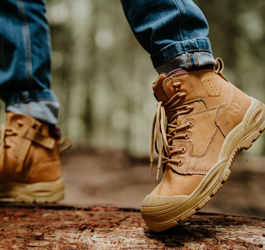
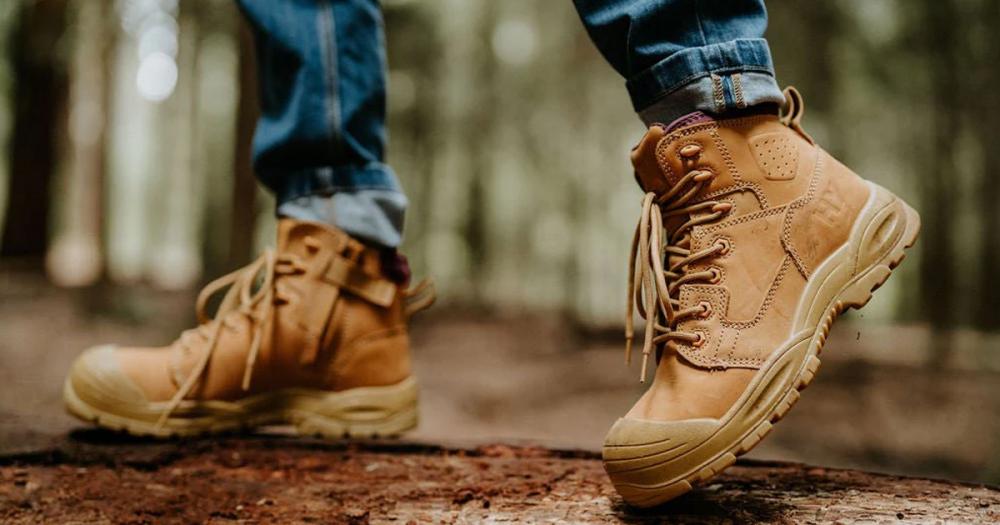
Hard Yakka leathers are carefully selected for their suitability in industrial safety footwear. The softness and absorbency of leather assists in the control of temperature for feet, which is an important factor in comfort within an industrial environment.
Leather has the ability to breathe through numerous small pores, allowing perspiration to diffuse, while at the same time restricting the entry of fluids, which includes water.
Leather also provides a significant benefit by trapping air between the fibres and becoming a thermal insulator. The characteristic is a barrier to external heat or cold damp and greatly assists in raising the level of comfort for the wearer.
Another important feature of leather is its flexibility and ‘give’ as well as the capacity of stretch either in wear or by insertion of devices inside your Hard Yakka boot or shoe. Hard Yakka leathers have been selected because of their softness and pliable surface.
Full-grain leather
This is considered amongst the best quality leather you can buy. Hard Yakka full-grain leather is made using premium cow hides, which is one of the most breathable leathers you can wear.
Kip leather
This is a soft and supple cow hide. It’s stronger, smoother and more durable than other types of leathers. Kip Leather tends to be lighter in weight as compared to other leathers.
Nubuck leather
This leather is made from full-grain cattle hides that have been sanded or buffed on the grain side to give a slight texture (short fibres) producing a velvet-like surface. Hard Yakka Nubuck is carefully selected from the thick side of cattle hides ensuring our boots meet 2.2 mm thickness requirements for durability.
Suede leather
This leather is made from the underside of cattle hides. Splits from thick cow leather have a woollen finish due to the nature of its fibre. As suede doesn’t include the tough exterior of the skin layer, it’s less durable but softer than standard full-grain leather.
Rambler leather
This leather is created by applying a pigmented finish to the surface of the leather. The process is completed by embossing or printing a grain pattern onto the surface.
Related Posts

Back to Work Specials


